2026 Homeschool Series: Critter Explorations, ages 5–8
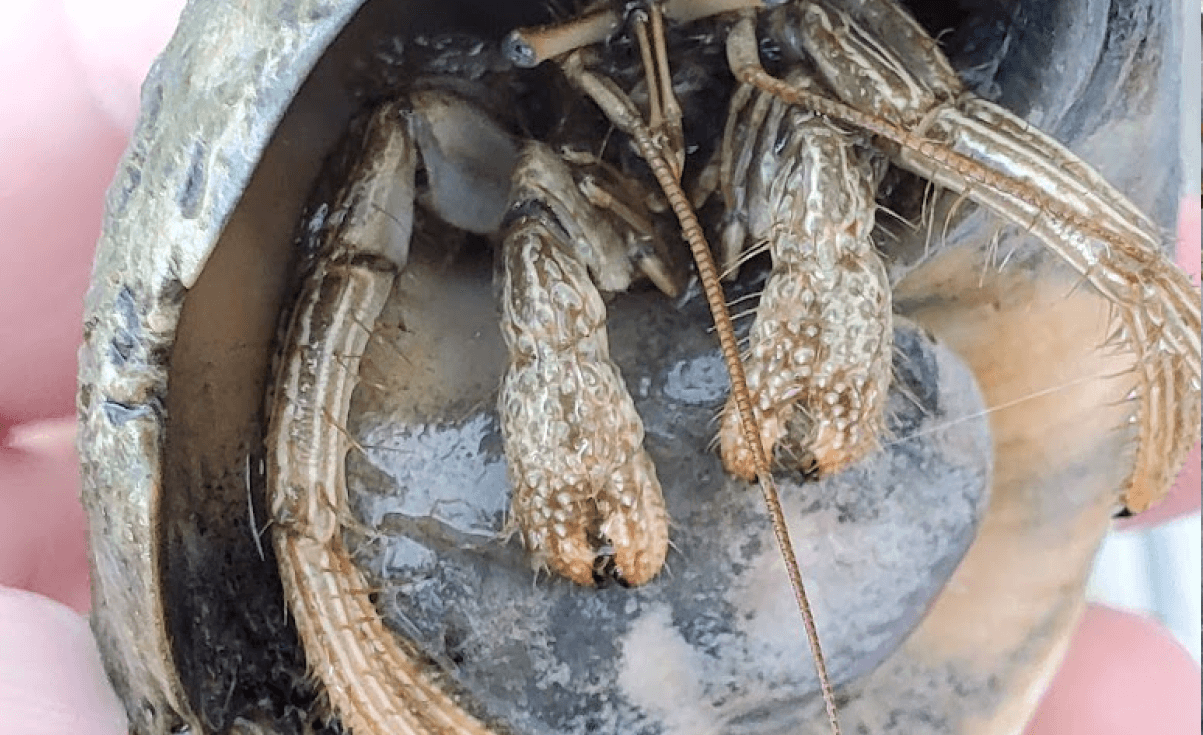
February Week 3: Helpful Hermit Crabs Hermit crabs are common in shallow water in Long Island Sound. Did you know their shells are often home to other smaller animals? Students...
February Week 3: Oyster Reefs Explore how oysters build reefs that protect shorelines and filter water. Students will observe oyster anatomy, test water clarity, and model reef formation. Learning Outcome:...
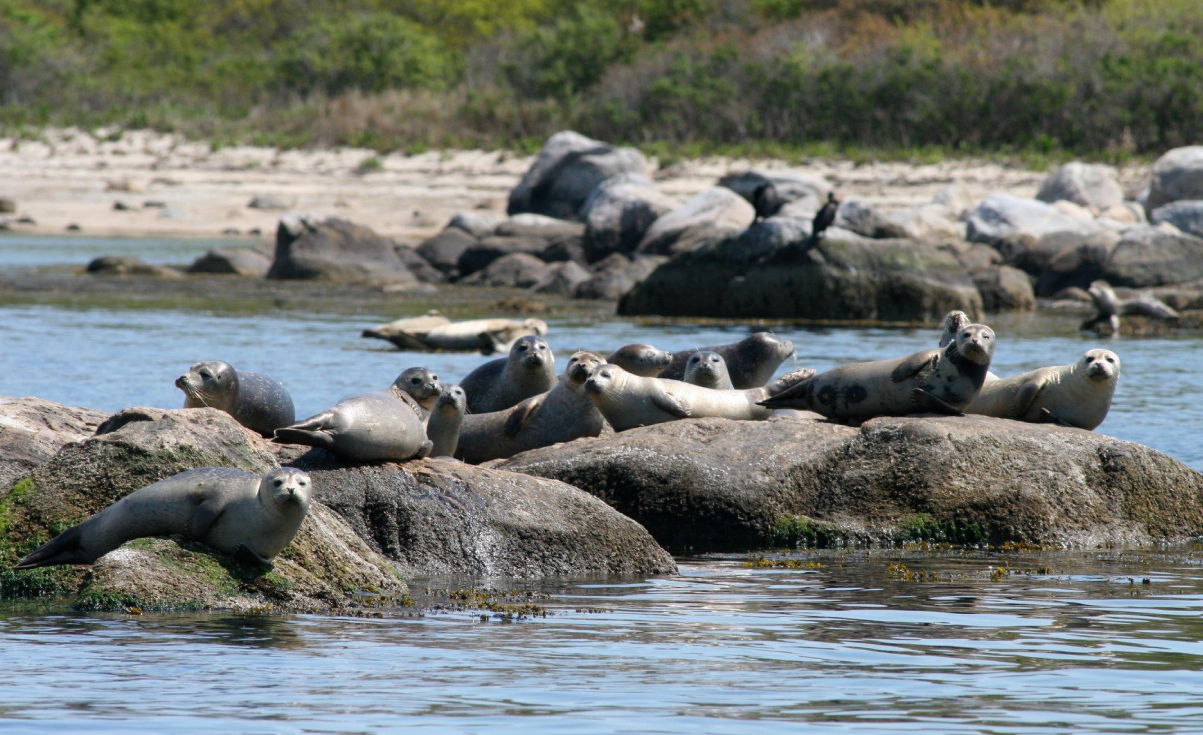
February Week 4: Sound Seals Harbor seals migrate to the Sound from the Gulf of Maine over the winter. Investigate adaptations that help seals stay warm during the cold winters, learn about migration and create a seal model. Learning Outcome: This session introduces concepts of marine mammal biology, migration, and survival strategies. Ages: 5–8 Cost:...
February Week 4: Gull Rookery Take flight into the world of coastal birds! Students will study gull behavior, nesting strategies, and food sources, then simulate a rookery and track bird calls. Learning Outcome: Students will explore the life cycle of gulls and understand how coastal habitats support bird populations. Ages: 9–12 Cost: $35 per class....
For Educators Empower your students; the "Blue Economy" is more than a buzzword - it is the future of our coastal and maritime workforce. Join the CT Blue Economy Coalition at the intersection of education and industry to help your students navigate the careers of tomorrow.
Join us for a guided tour of Long Island and Fishers Island Sounds aboard the Enviro-Lab Research Vessel. We will visit multiple locations for Seal watching as you learn about these unique travelers, the Harbor Seals, on their migratory journey from Maine. The Enviro-Lab has plenty of space on deck for optimal viewing and is...
March Week 1: Unbelievable Urchins Students will observe live sea urchins, explore how they move and feed using tube feet. Along the way, they’ll discover how these spiny animals survive in tide pools and rocky reefs. Learning Outcome: This session will cover echinoderm anatomy, movement, and adaptations for survival in intertidal habitats. Ages: 5–8 Cost:...
March Week 1: Deep Sea Descend into the mysterious depths of the ocean to uncover life in extreme environments. Students will investigate bioluminescence, pressure adaptations, and food scarcity in the deep sea. They’ll simulate deep-sea exploration and design a creature adapted to life in the abyss. Learning Outcome: Students will analyze how deep-sea organisms survive...
March Week 2: Terrific Turtles Turtles are ancient reptiles with fascinating features. Students will explore the differences between land and sea turtles, and learn how their shells help them survive. They’ll also create their own sea turtle and discover how turtles navigate long migrations and find their nesting grounds. Learning Outcome: This session will focus...
March Week 2: Coral Reef Dive into the vibrant world of coral reefs, home to some of the most diverse ecosystems on Earth. Students will examine coral anatomy, explore symbiotic relationships like coral and zooxanthellae. Learning Outcome: Students will understand how coral reefs support biodiversity and how environmental changes impact reef health. Ages: 9–12 Cost:...
Join us for a guided tour of Long Island and Fishers Island Sounds aboard the Enviro-Lab Research Vessel. We will visit multiple locations for Seal watching as you learn about these unique travelers, the Harbor Seals, on their migratory journey from Maine. The Enviro-Lab has plenty of space on deck for optimal viewing and is...
March Week 3: Super Stars Students will examine live sea stars, learn how they eat with their stomachs outside their bodies, and explore how they regenerate lost arms. Students will design a sea star model to take home; reinforcing their unique body structure. Learning Outcome: This week focuses on regeneration, predator-prey relationships, and echinoderm diversity....