
Empowering students to increase environmental stewardship and community resilience in the face of climate change.
Action Projects
Lobsters have historically been an important fishery in Long Island Sound. Over decades of harvesting, thousands of traps have been lost or abandoned on the seafloor. Even though no one is tending them, many of these traps continue to “fish” beneath the surface. Once inside, lobsters, crabs, and fish are unable to escape and eventually die, becoming bait that draws in more animals.
This creates a continuous, self‑perpetuating cycle known as ghost fishing, which can further deplete local species, including lobsters, that are already stressed by climate change and pollution.
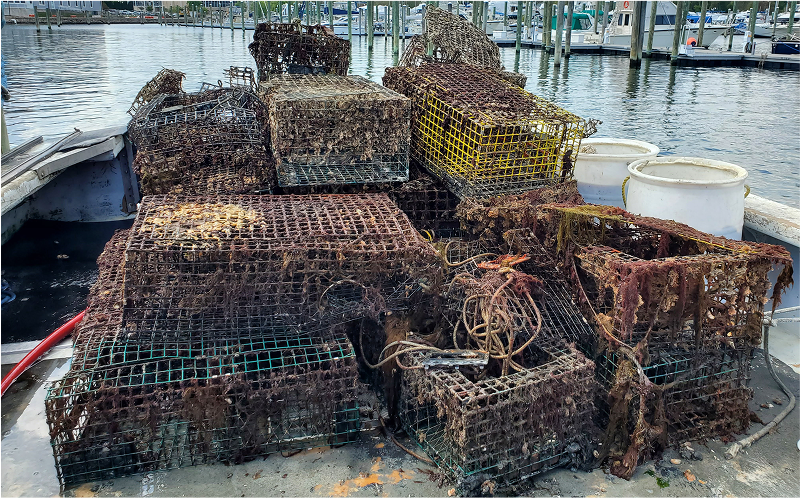
It’s estimated that tens of thousands of ghost traps remain scattered across Long Island Sound. Removing them is a long-term effort, and success depends on the expertise of our lobster industry partners. Their knowledge is crucial to the success of this project.
These efforts not only help clean up the Sound and reduce ghost fishing, they also provide scientists with a unique opportunity to study the biodiversity of the region. The Lobster Trap Recovery and Assessment project is uncovering valuable ecological data while restoring balance to the marine environment.
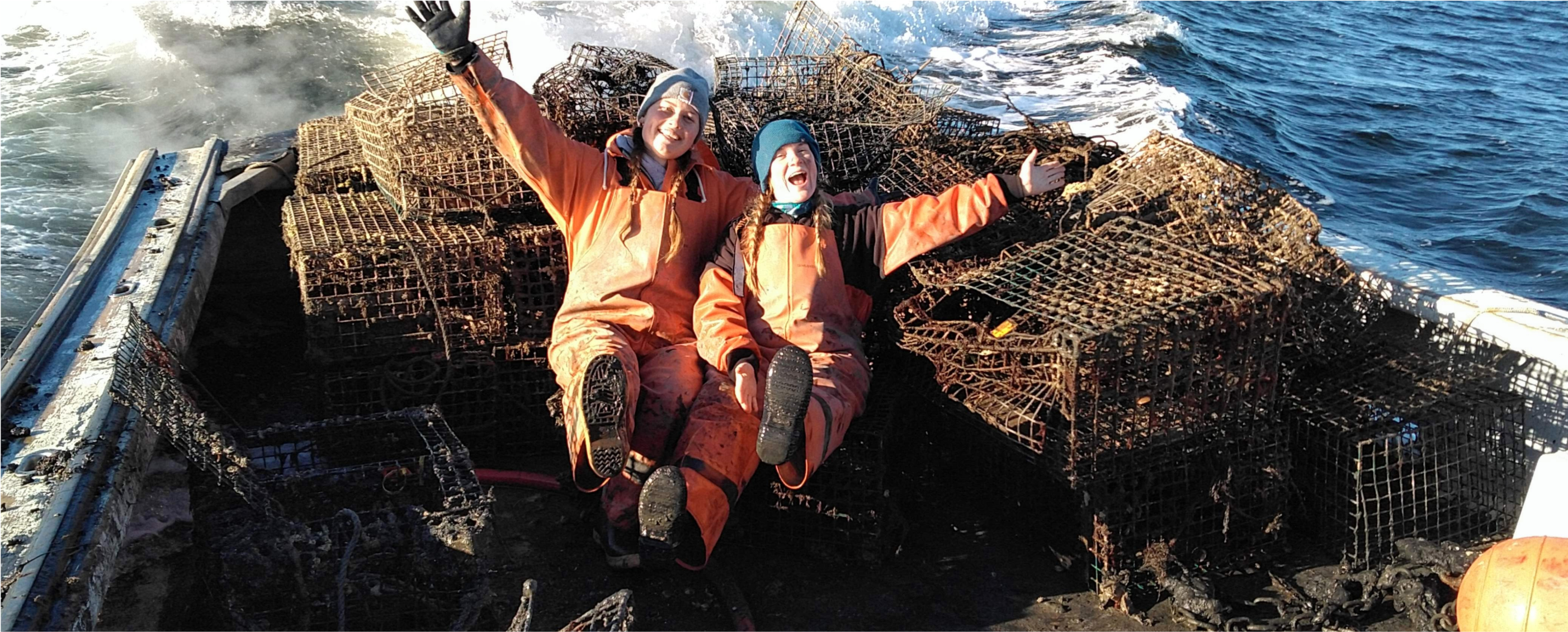
In 2022, Project Oceanology and coalition partners launched the Lobster Trap Recovery and Assessment Partnership (L‑TRAP) to address ghost fishing and marine debris. The initiative focuses on spending time on the water locating and retrieving abandoned lobster gear from the seafloor. The L-TRAP partners include: Cornell Cooperative Extension, Save the Sound, The Maritime Aquarium, and Remote Ecologist.
Working side‑by‑side with commercial lobster fishers, whose on‑the‑water expertise is essential, the team reached a major milestone in December 2023: 1,000 traps removed from Long Island Sound!
Since then, the effort has continued to grow. More than 3,530 traps have now been recovered, and the number keeps climbing as the partnership continues this work.
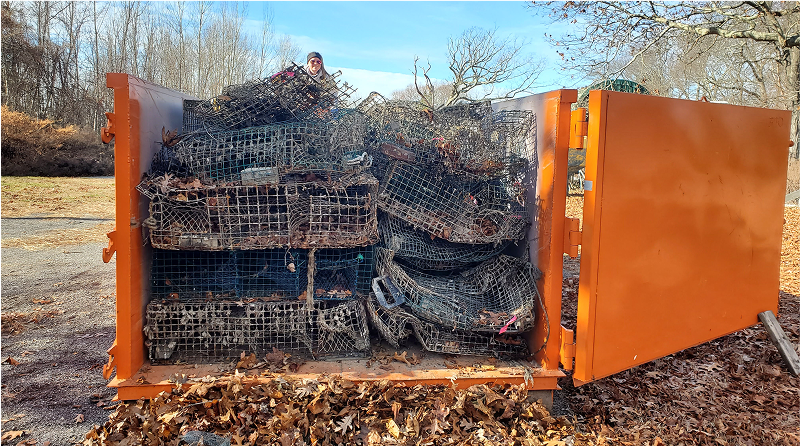
Because this work is ongoing, we continue to learn more with every trip. As of January 2026 the collective L-TRAP has:
These findings highlight both the scale of ghost fishing and the importance of removing lost fishing gear.
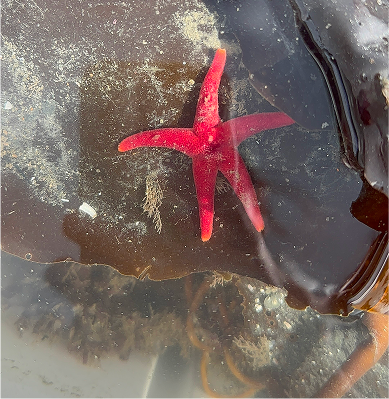
To date, 82 unique species have been documented during the trap surveys. A few finds include:
Several non-native species have also been observed:
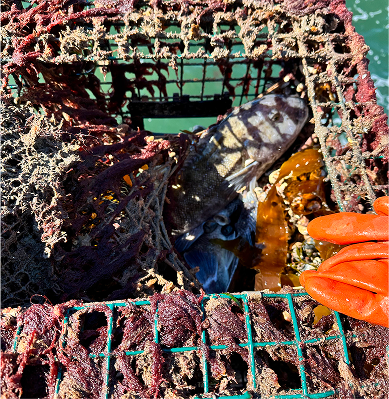
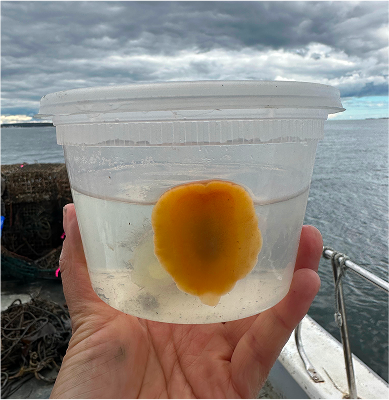
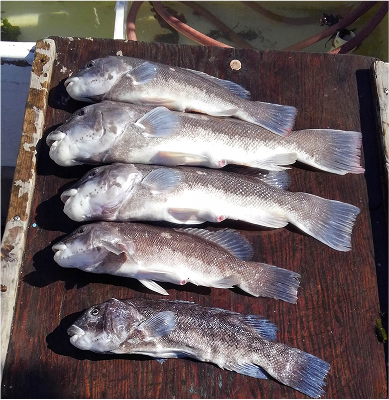
The Lobster Trap Recovery and Assessment Partnership (L‑TRAP) brings together a diverse coalition of organizations and experts dedicated to improving the health of Long Island Sound. Partners include Project Oceanology, Save the Sound, The Maritime Aquarium, Cornell Cooperative Extension of Suffolk County, Remote Ecologist, and members of the commercial fishing industry. By combining scientific expertise, on‑the‑water experience, and community engagement, this collaborative team works collectively to recover lost lobster gear, protect marine habitats, and support a more sustainable future for the region’s fisheries.
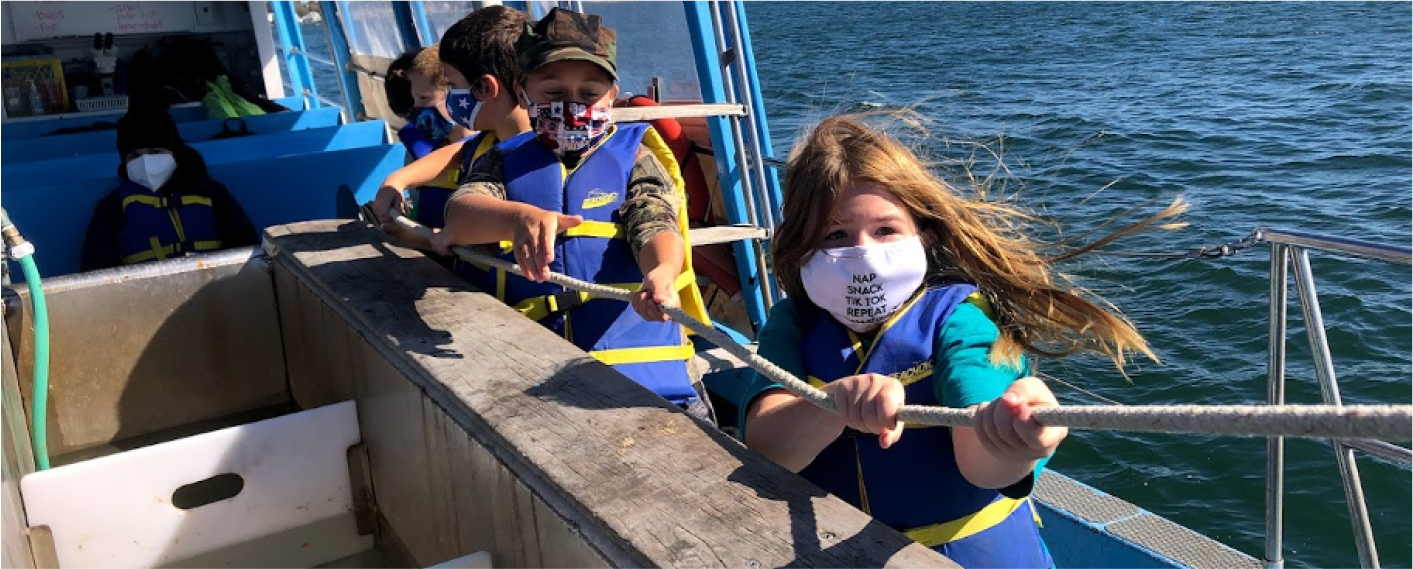
Empowering students to increase environmental stewardship and community resilience in the face of climate change.
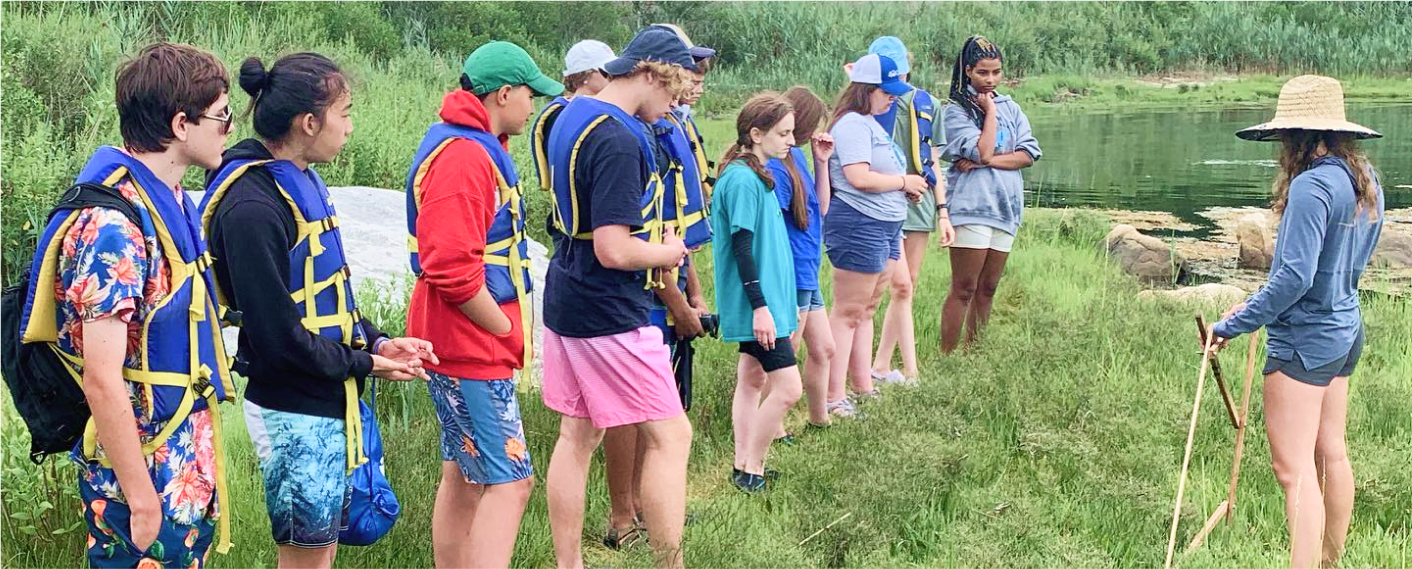
Students gain hands-on experience on how to protect this vital ecosystem.
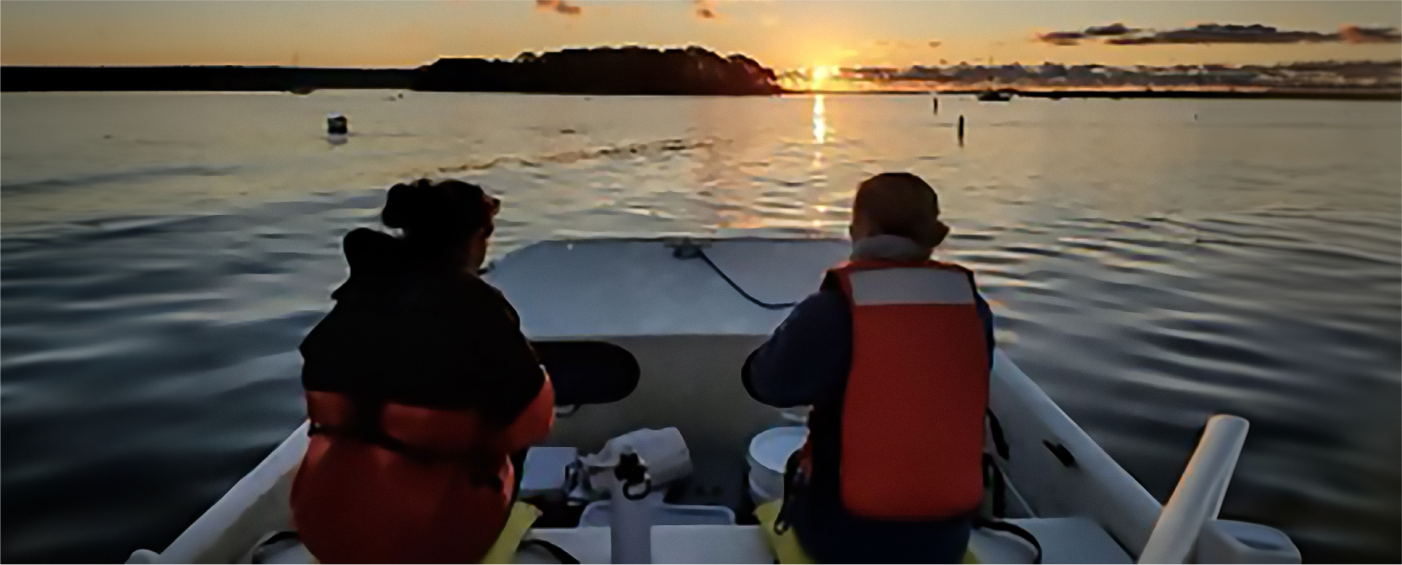
Protecting vital ecosystems and ensuring a healthier Long Island Sound.
Your support is vital in providing our life-changing programs that enrich the education of the next generation of environmental stewards and marine scientists. Our work wouldn’t be possible without donations from supporters like you.