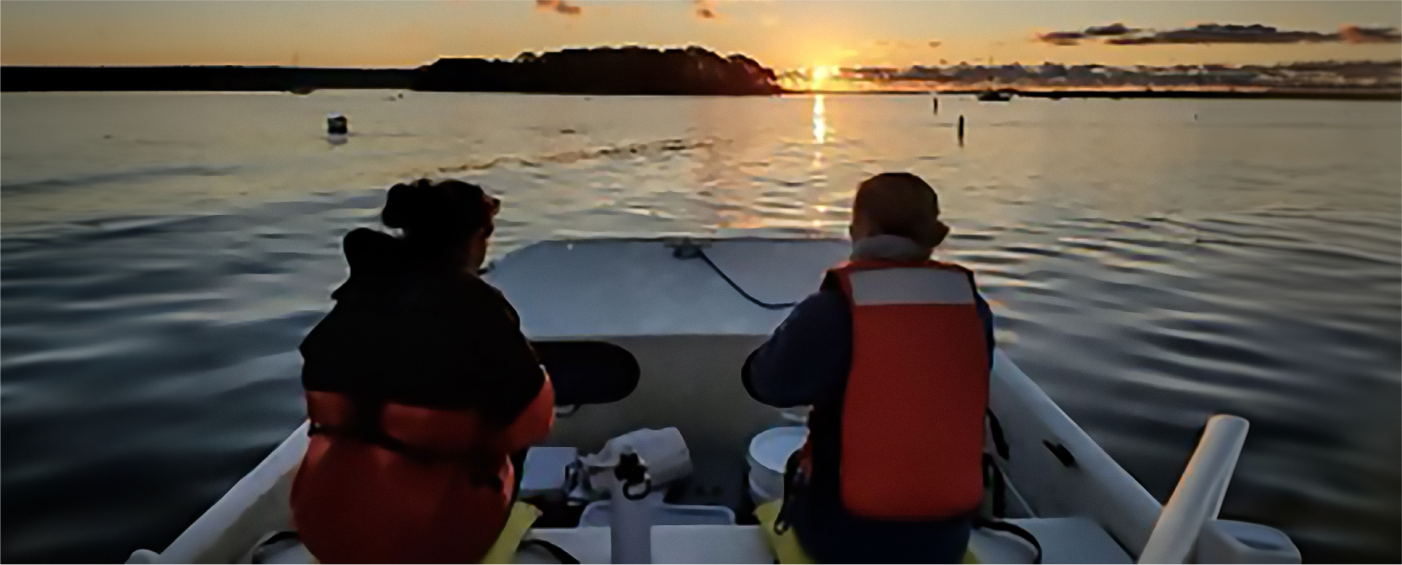
Students gain hands-on experience on how to protect this vital ecosystem.
Action Projects
Connecticut is already experiencing the impacts of climate change. Rising temperatures, more frequent and intense heat waves, and shifting precipitation patterns are straining public health, infrastructure and local ecosystems. Increased rainfall and sea level rise are contributing to coastal flooding and erosion, putting homes, roads, and natural habitats at risk. These environmental changes are not distant threats—they are happening now, and they require local action.
Learning about climate change and the local environment is essential because today’s students will become the future residents, leaders, and decision‑makers of their communities. Educating young people about climate change and the ecosystems around them empowers them to make informed, responsible decisions that benefit their communities. Teaching students how to protect and preserve natural resources fosters a deeper appreciation for the environment. This knowledge helps cultivate well informed citizens who are equipped to take proactive steps toward safeguarding the community’s long-term environmental health. By equipping this generation with knowledge and hands-on experience, we help ensure they are prepared to confront climate challenges and support a sustainable future for the region.
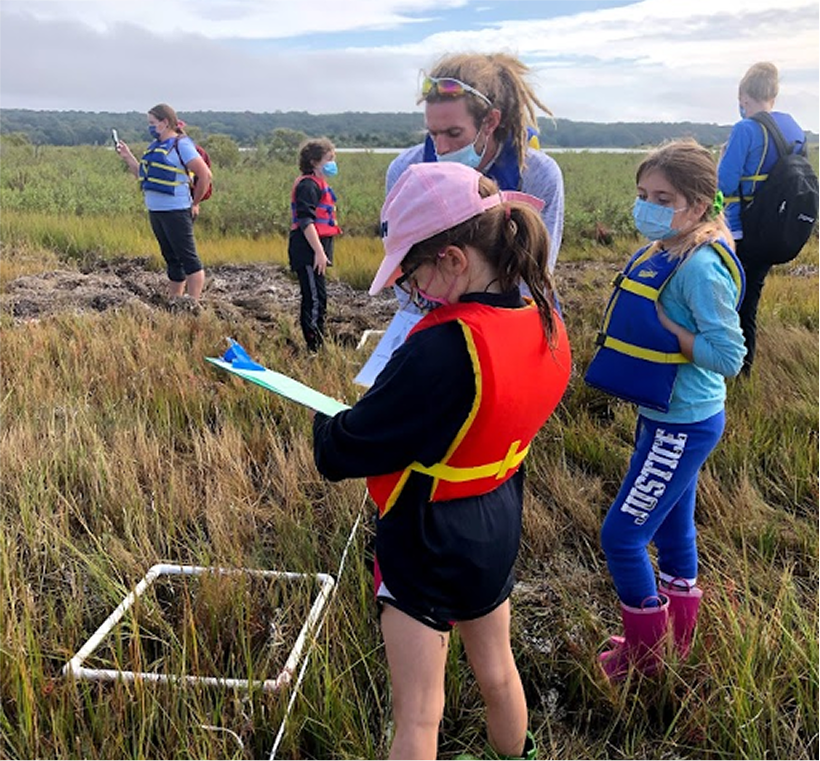
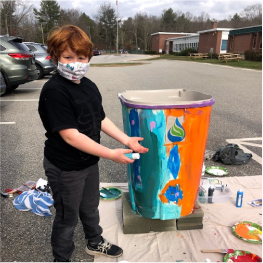
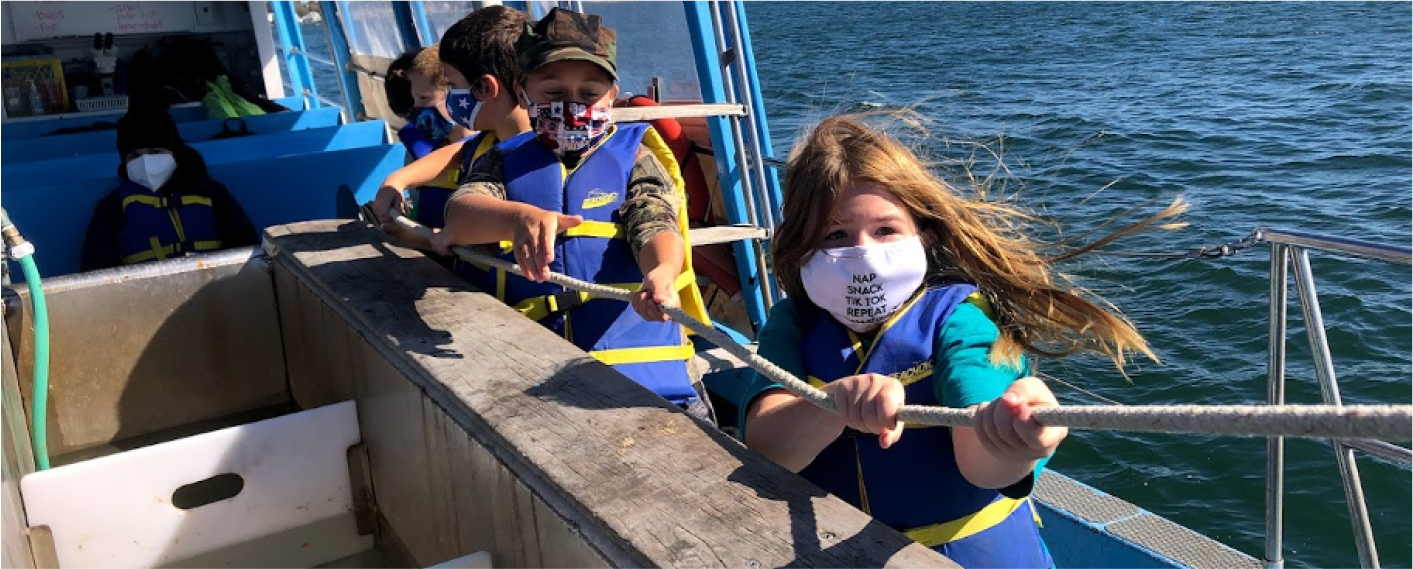
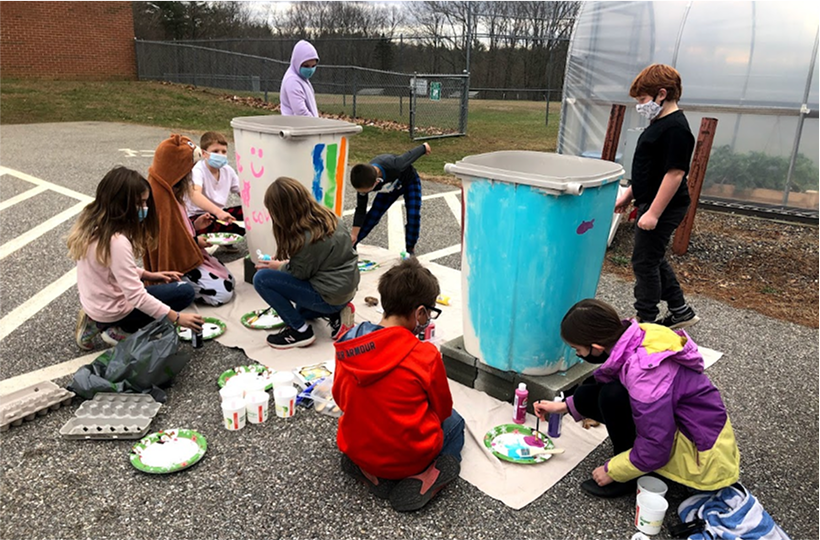
With the support from the National Oceanic and Atmospheric Administration (NOAA) through the Bay Watershed Education Training Program (B-WET) students gained hands-on experience in evaluating the health of their local watershed. Students and teachers tested water chemistry and assessed the biodiversity of nearby ecosystems. Using this data, students designed and carried out a range of stewardship projects aimed at improving their environment and making their community more resilient to climate change impacts. These initiatives included installing rain barrels to collect runoff from, building over 40 bat houses to enhance local wildlife habitats, presenting ideas about green schoolsyard to school administrators and town officials, and organizing a schoolyard cleanup to reduce waste and promote sustainability. Through the efforts, students not only improved their communities but also gained a deeper understanding of environmental stewardship.
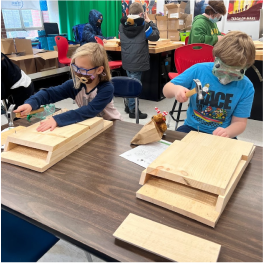

Many students discovered the significant impact they can have not only on their local environment but also on the broader watershed, with their actions ultimately affecting areas as far as Long Island Sound. Once informed about the direct influence they can exert, students become highly motivated to protect their watershed and the surrounding environment. Engaged through hands-on lessons and meaningful outdoor experiences, they deepened their understanding of environmental issues, which strengthened their commitment to stewardship and encouraged them to take action in the best interest of nature.
This project was made possible through the enthusiastic participation of students and teachers from Norwich Public Schools and Ashford Public Schools. Together, they formed the heart of the “Rising Waters” initiative, supported by NOAA’s B-WET program and guided by Project Oceanology’s mission to educate and empower the next generation of environmental stewards.
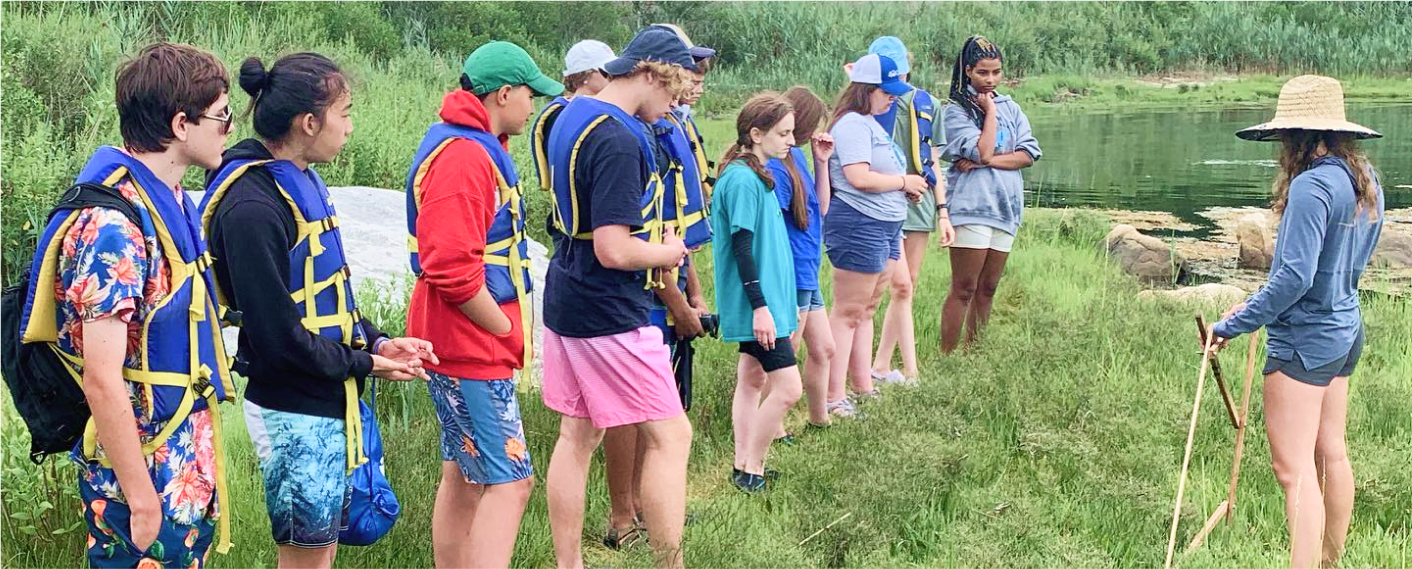
Students gain hands-on experience on how to protect this vital ecosystem.
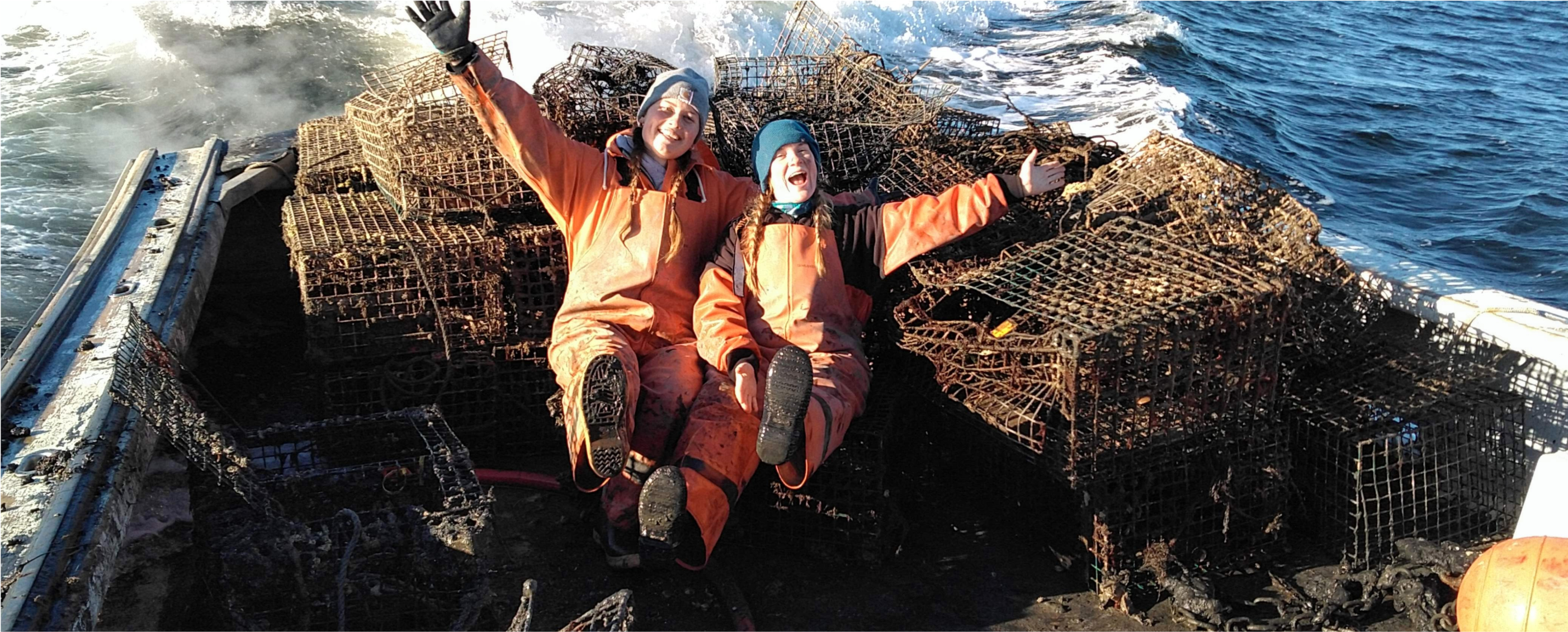
Partnering with the lobster industry to remove lost traps and protect Long Island Sound’s marine life.
Protecting vital ecosystems and ensuring a healthier Long Island Sound.
Your support is vital in providing our life-changing programs that enrich the education of the next generation of environmental stewards and marine scientists. Our work wouldn’t be possible without donations from supporters like you.