Explore our program options for grades 3-5
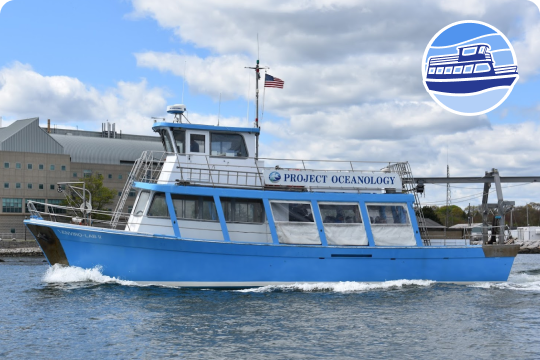
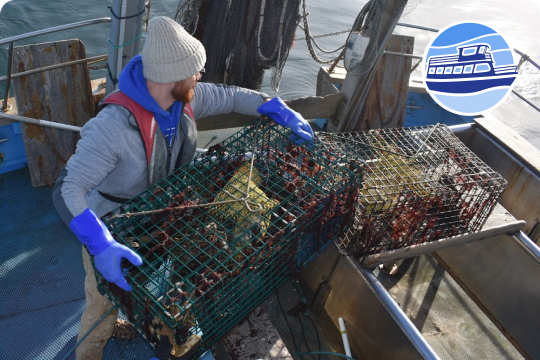
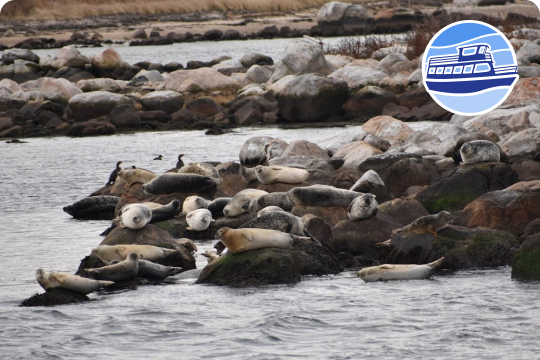
Project Oceanology’s grades 3-5 School Trips offer hands-on marine science adventures for young learners! Students can explore the diverse ecosystems of Long Island Sound through boat trips, shore excursions, and engaging lab activities. From trawling for sea creatures and studying seal populations to investigating water chemistry and engineering solutions for bycatch, these trips provide unforgettable educational experiences.
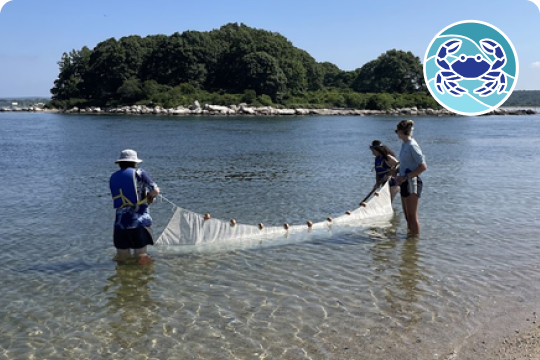
Nearshore Fish Study and Water Chemistry – Shore/Lab – Bluff Point
Overview
Survey the minnows and juvenile fish of the shallows, and collect data on species diversity and abundance.
Highlights
Program Duration: 2.5 Hours
Trip Season: Sept-Oct | April-June
Student Limit: Up to 50
Science Standard: LS2-2, LS2-6
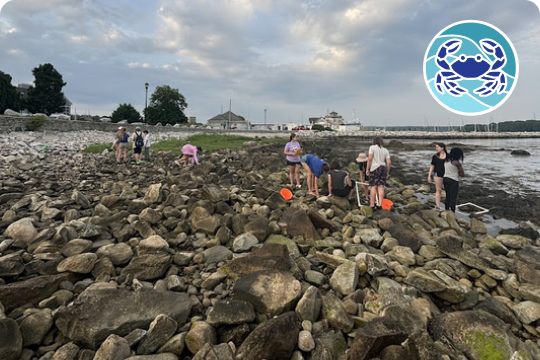
Rocky Intertidal Exploration and Water Chemistry – Shore/Lab – Avery Point
Overview
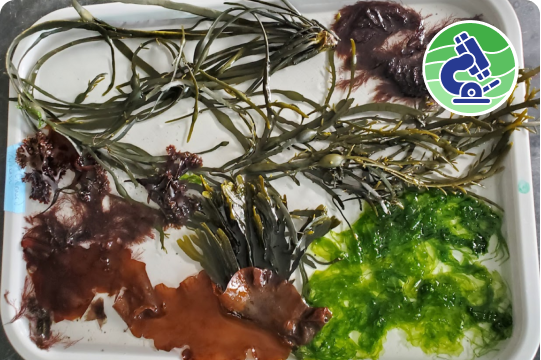
Dive into the rocky intertidal zone to discover which organisms can survive in such a harsh environment and measure the water quality.
Highlights
Program Duration: 2.5 Hours
Trip Season: Sept-Nov | April-June
Student Limit: Up to 50
Science Standard: LS2-6
Rocky Intertidal Zone Transect Study paired with Lab Program – Shore/Lab – Avery Point
Overview
The best of both worlds! Dive into the rocky intertidal zone and collect organisms along the shore. Then move indoors to participate in a lab of your choice.
Highlights
Program Duration: 2.5 Hours
Trip Season: Sept-Nov | April-June
Student Limit: Up to 50
Science Standard: LS2-6
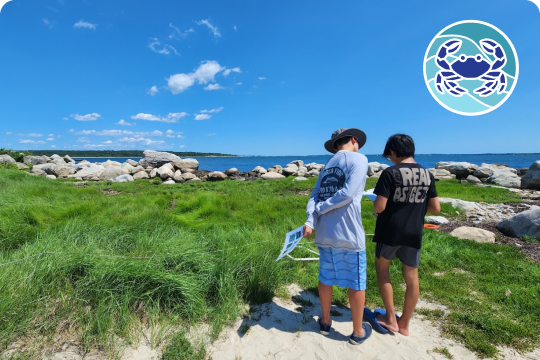
Salt Marsh Exploration and Nearshore Fish Study – Shore/Lab – Bluff Point
Overview
Explore zonation of plants, animals, and peat depth to make connections between the environment and its organisms and survey the minnows and juvenile fish of the shallows, and collect data on species diversity and abundance.
Highlights
Program Duration: 2.5 Hours
Trip Season: Sept-Oct | April-June
Student Limit: Up to 50
Science Standard: LS2-6
A Changing Sound: Introduction to Oceanography Data Analysis
Overview
Dig into Projects Oceanology’s historical data set to look for changes in water quality characteristics and organism diversity and abundance over time.
Highlights
Program Duration: 1.25 Hours
Trip Season: Sept-June
Student Limit: Up to 25 (recommended for Grade 5 and up)
Science Standard: LS2-1, ESS2-4, ESS3-4
Critter Bins: Adaptations Focused
Overview
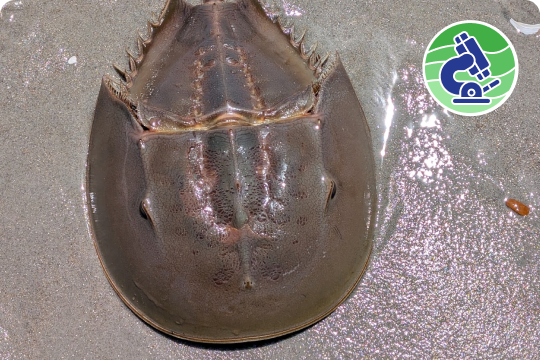
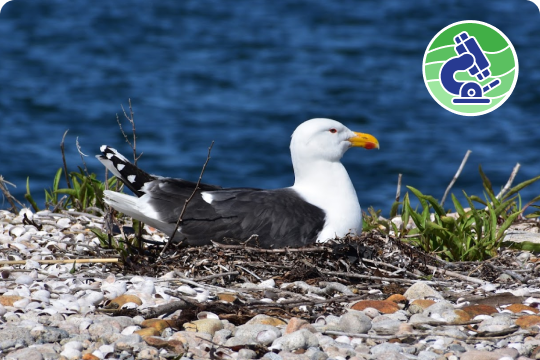
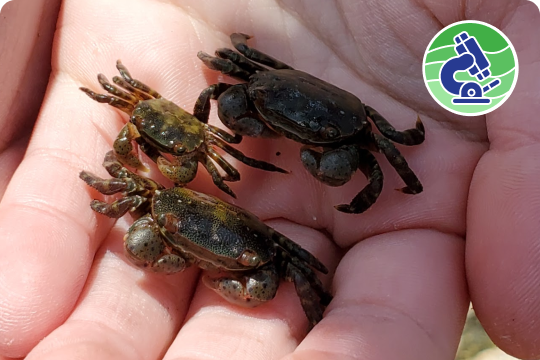
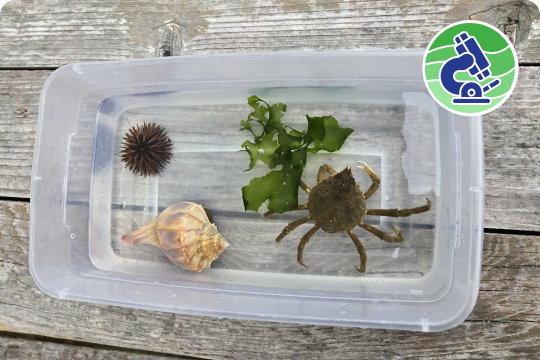
Students interact with a variety of organisms from Long Island Sound as they focus on structural and behavioral adaptations.
Highlights
Program Duration: 1.25 Hours
Trip Season: Sept-June (Organism diversity is based on season availability)
Student Limit: Up to 25
Science Standard: LS1-1
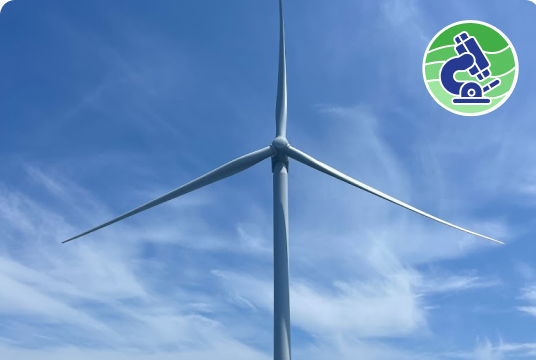
Energy Scientists: Test-a-Blade Wind Power
Overview
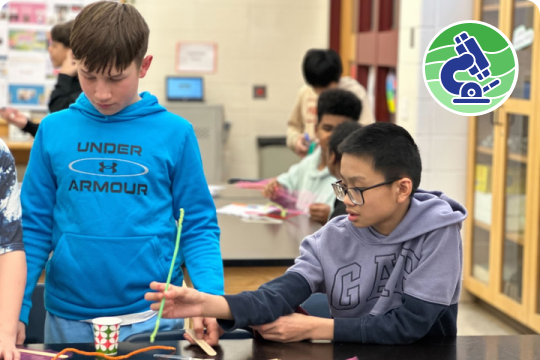
Test different shapes, sizes, and materials to determine which combination will make the most efficient wind turbine design.
Highlights
Program Duration: 1.25 Hours
Trip Season: Sept-June
Student Limit: Up to 25
Science Standard: PS3-4, ESS3-1, ETS1-1, ETS1-2, ETS1-3
Food Webs
Overview
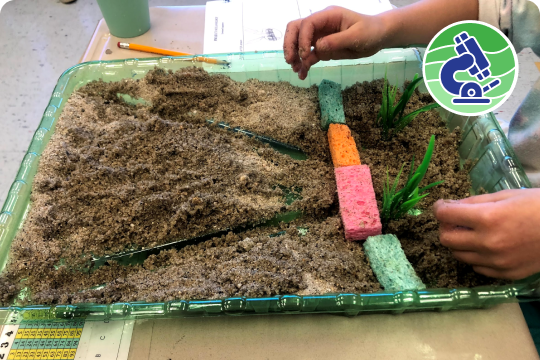
Students will interact with organisms that build a food chain and then work together to create a model food web out of species found in Long Island Sound to take back to their classroom.
Highlights
Program Duration: 1.25 Hours
Trip Season: Sept-June (Organism diversity is based on season availability)
Student Limit: Up to 25
Science Standard: LS2-1, PS3-1
Schooling Fish
Overview
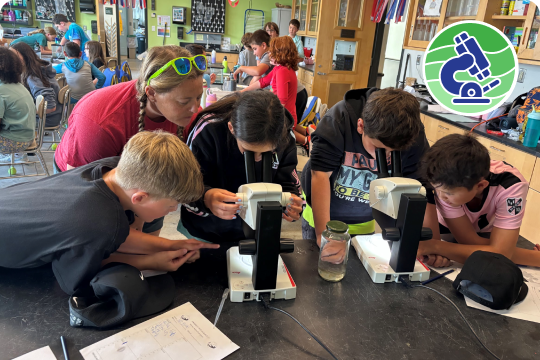
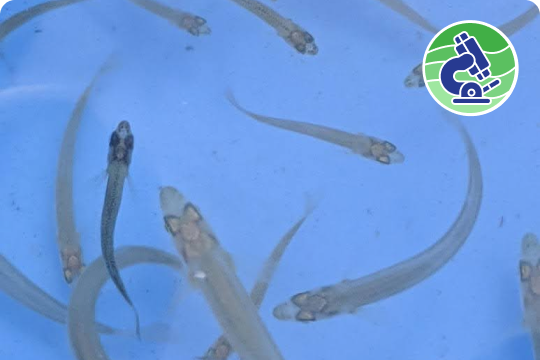
Observe the behavior of different species of fish in Long Island Sound and gather evidence to determine if they are schooling or solitary fish.
Highlights
Program Duration: 1.25 Hours
Trip Season: Sept-June (Organism diversity is based on season availability)
Student Limit: Up to 25
Science Standard: LS1-1, LS2-1
“My favorite part (as a professional) was the behavior of our students. They were pretty consistently on task and asked great questions, and provided fantastic answers. My favorite part (personally) was discovering that squids have teeny tiny beaks! Who knew?”

Every contribution to Project Oceanology empowers over 25,000 students and adults each year to explore and learn through hands-on, oceanic adventures.
Your support is vital in providing our life-changing programs that enrich the education of the next generation of environmental stewards and marine scientists. Our work wouldn’t be possible without donations from supporters like you.