2027 Homeschool Series: Ocean Investigator, ages 9–12
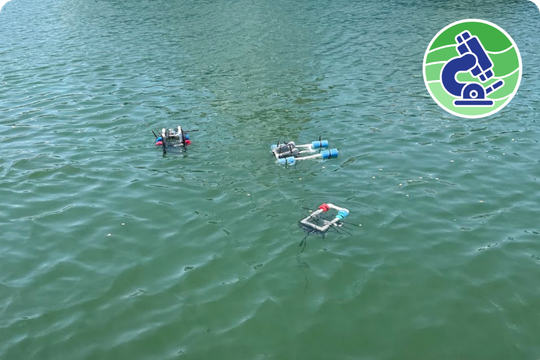
January Week 4: Remote Operated Vehicles (ROV) Students will work in pairs to design a SeaPerch ROV. They will build their ROV to meet a specific challenge, like removing garbage...
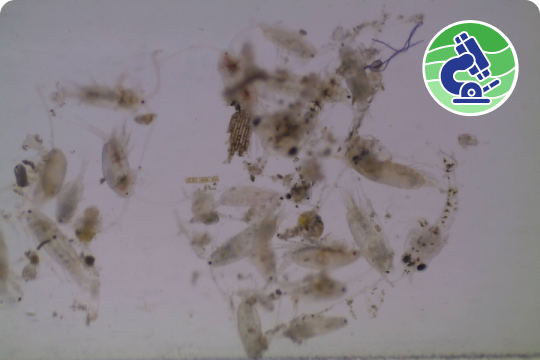
February Week 1: Productive Plankton Students will learn about the role of plankton by using microscopes to examine live specimens from Long Island Sound. They will design their own planktonic...
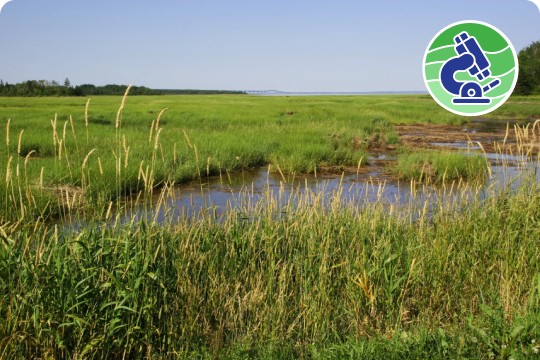
February Week 1: Estuaries Students will rotate in small groups between bins containing a variety of organisms from Long Island Sound. For each organism, students will make predictions about how...
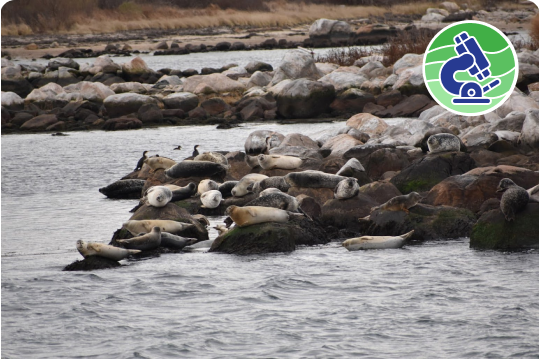
February Week 2: Marine Mammals Students will explore the world of marine mammals: whales, dolphins, seals, sea lions, and more! Students will learn the different characteristics of each group of...
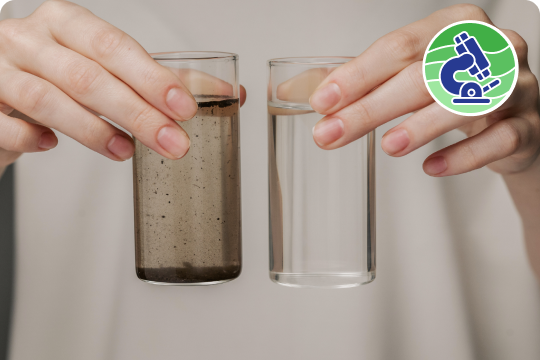
February Week 2: Mystery Water Students will use water chemistry to identify mystery water samples. Students will learn how to test pH, salinity, dissolved oxygen, and more. They will interpret...
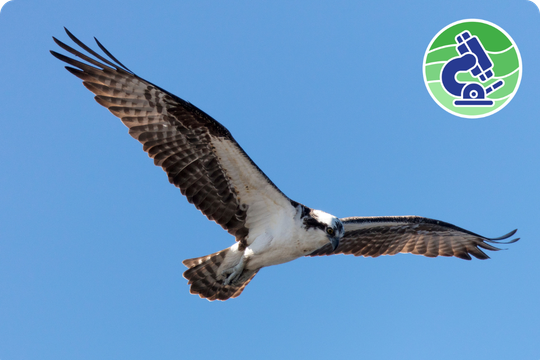
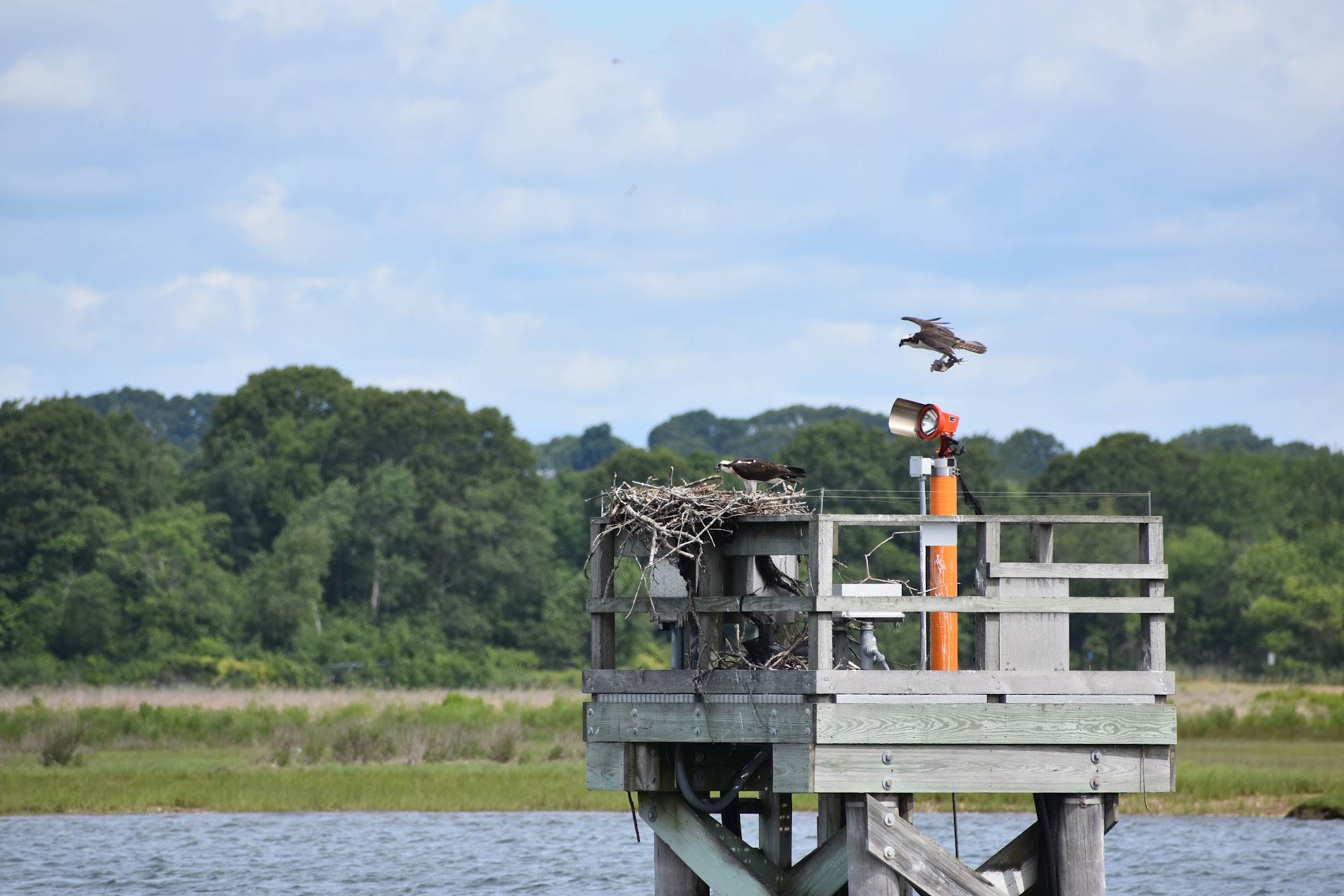
February Week 3: Osprey Students will study osprey and other birds that nest along the shoreline of Connecticut. They will also learn about what it takes to engineer a strong...
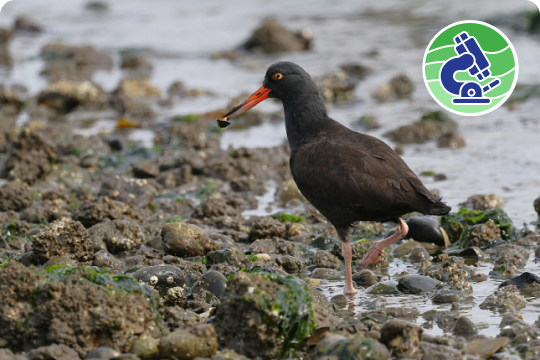
February Week 3: Shorebirds Students will survey the local bird species around Avery Point, studying the unique beaks, wings, and behaviors that help them survive in a coastal habitat. Then,...
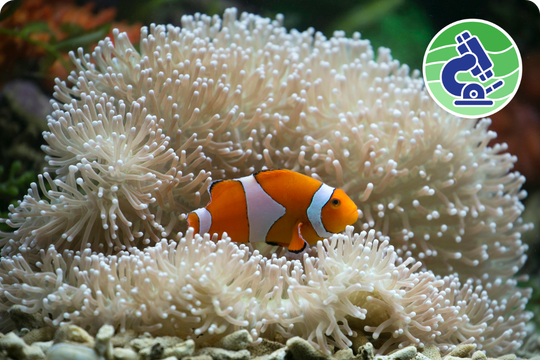
February Week 4: Clownfish and Anemone Make a Great Team Students will investigate the interactions between undersea animals and learn about the ocean community. They will learn the meaning of...
February Week 4: Plankton & Microplastics Students will observe live plankton specimens and learn how to identify microplastics. Students will also learn about sources of microplastics and ways to prevent...
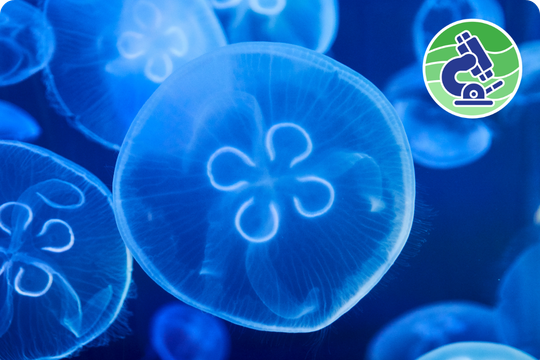
March Week 1: Gelatinous Jellies Students will identify parts of a jelly and learn about our local species. Students will investigate bioluminescence and discover why animals glow. They will use this knowledge to create a Jelly model to bring home. Learning Outcome: Students will learn about adaptations of jellyfish and identify why animals use bioluminescence....
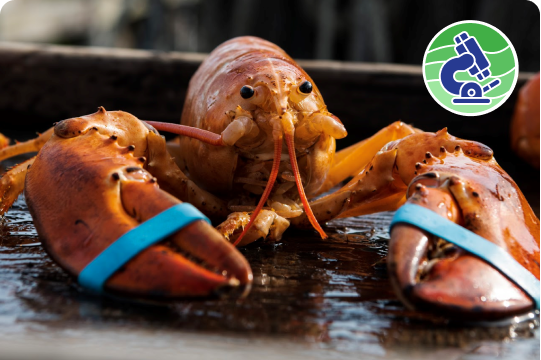
March Week 1: Lobsters and Climate Change Students will rotate through stations in which they examine live lobsters, practice skills related to the lobster fishery such as lobster measurement and...
Join Project Oceanology and Denison Pequotsepos Nature Center for a winter birding adventure! Begin with a meet-and-greet with a live bird of prey before stepping aboard the R/V Enviro-Lab to explore prime birding spots across Fishers Island Sound. You’ll have plenty of open deck space for clear views, plus a heated cabin and onboard marine...