Empowering students to increase environmental stewardship and community resilience in the face of climate change.
Action Projects
Long Island Sound has faced water quality challenges for decades, and many organizations have worked hard to protect and restore this vital ecosystem. Yet one major gap remained: different groups were collecting data in different ways, making it difficult to compare results or understand the full picture of the Sound’s health.
To address this, Save the Sound launched the Unified Water Study (UWS) in 2017—a coordinated effort to standardize how water quality is measured across the region. The study focuses on embayments, the smaller coastal water bodies that feed into the Sound
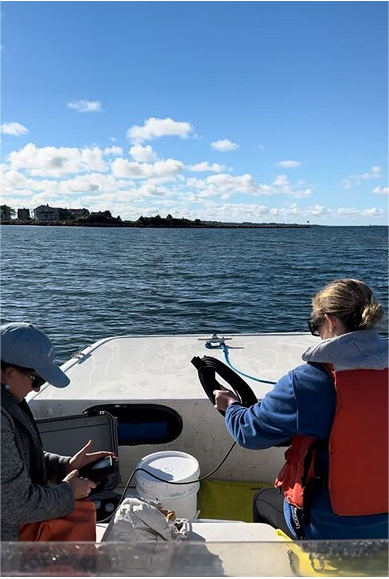
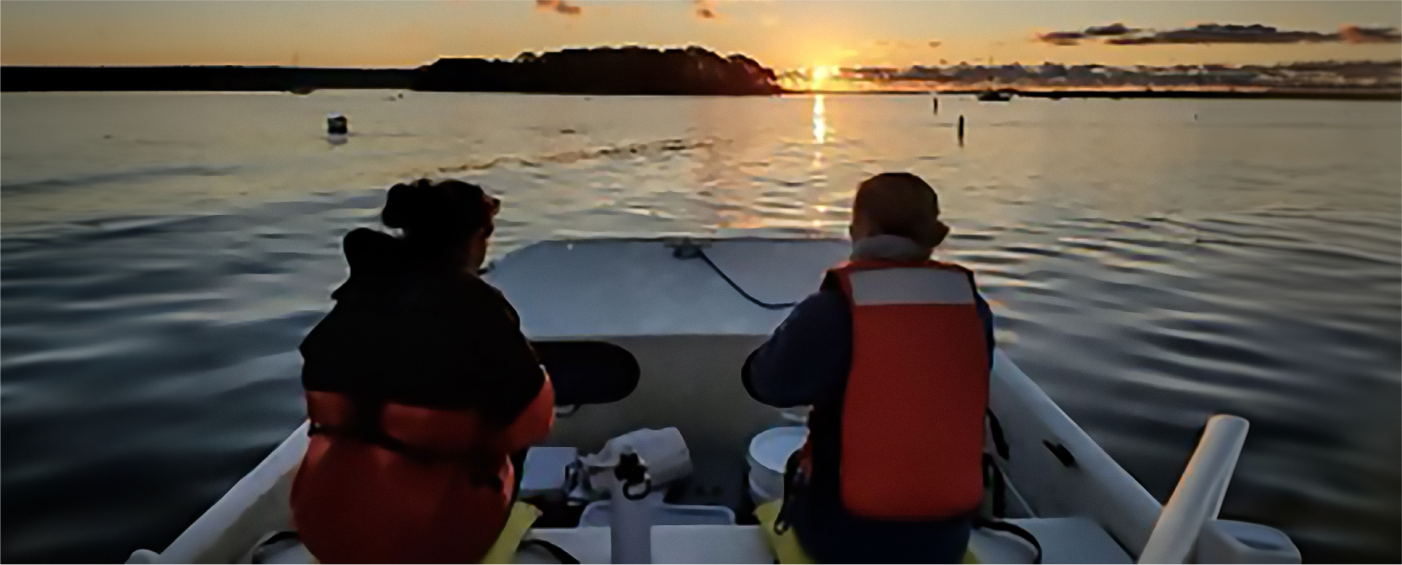
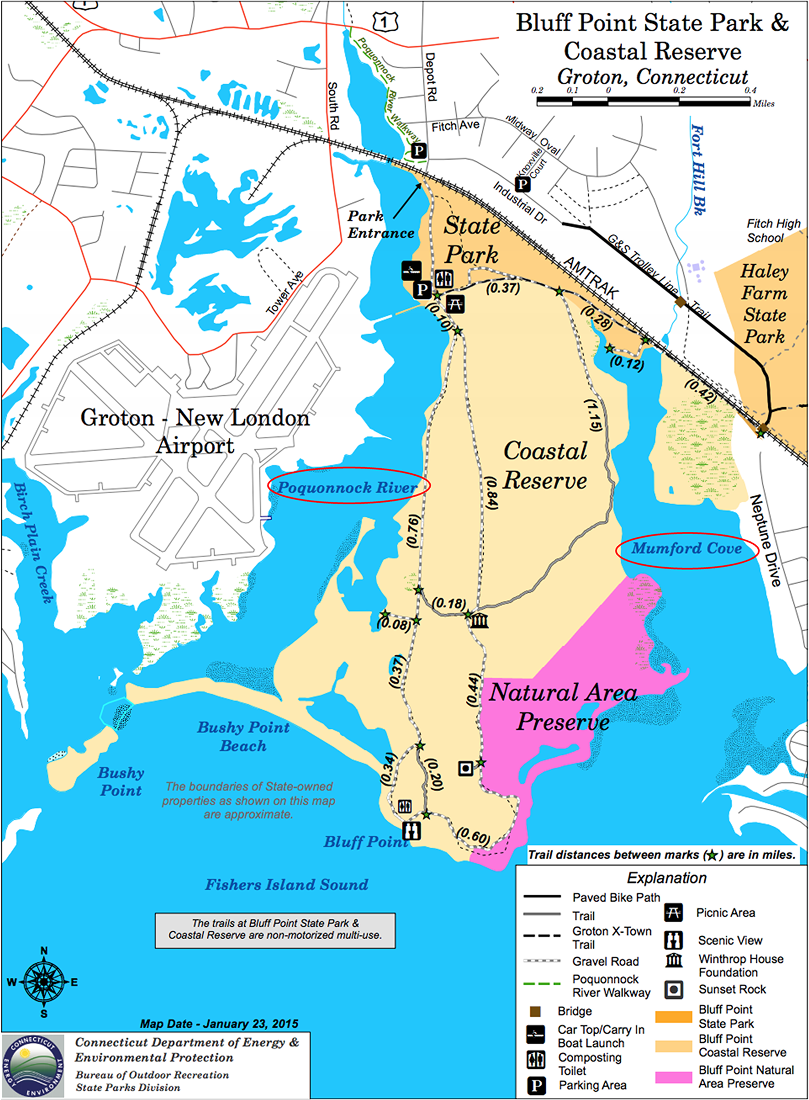
Project Oceanology plays an important role in this effort by monitoring two local embayments, Mumford Cove and the Poquonnock River. By collecting consistent, high‑quality data, we help identify problems early and contribute to a clearer understanding of how these waterways are changing over time.
The Poquonnock River and Mumford Cove are two ecologically significant embayments in the Groton area. The Poquonnock River sits beside the Groton-New London Airport, and connects both Long Island Sound and the Groton Reservoir. Mumford Cove is bordered by Haley Farm nature preserve, Bluff Point State Park, Palmer’s Cove, and the Sound. Together, these waterways support both wildlife and the local community.
In the 1970’s, both embayments experienced ecological damage due to continuous discharge of raw sewage into their waters and salt marshes. Although this practice was eventually stopped and water quality improved, the impacts serve as a reminder of how vulnerable these systems are.
Today, the Poquonnock River and Mumford Cove support recreation like boating and fishing, and their surrounding salt marshes and eelgrass beds provide essential benefits-filtering nutrients, preventing erosion, supporting fisheries, and buffering the coast from storms.
Because these habitats are valuable and sensitive, long‑term monitoring is crucial. Consistent data helps track changes and guide effective conservation and management.
Since 2023, Project Oceanology has partnered with Save the Sound to conduct regular water quality assessments in Mumford Cove and the Poquonnock River. From May through October, our team visits multiple sites twice per month to measure key indicators of ecosystem health, including:
In addition to these measurements, we conduct macrophyte (seaweed) surveys to identify and classify marine algae species. These surveys help track biodiversity and understand the health of these local waters.
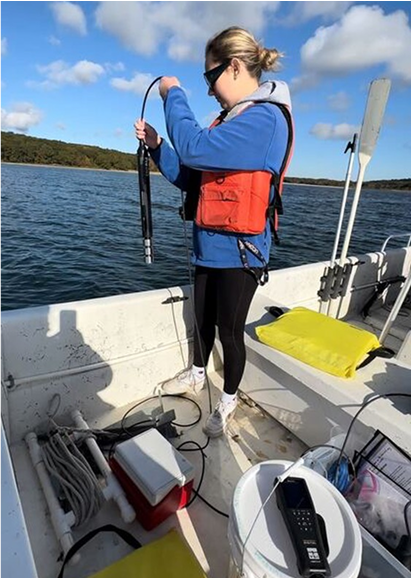
Save the Sound publishes its Long Island Sound Report every two years, which evaluates water quality across the Sound’s basins and embayments. Each site receives a letter grade based on key environmental indicators such as dissolved oxygen, clarity, and nutrient levels.
In the 2024 report:
Poquonnock River earned a B
Mumford Cove received an A-
These grades reflect ongoing efforts to monitor and improve water quality in both embayments. To explore how these grades are calculated or read the full report, visit Save the Sound’s Report Card.
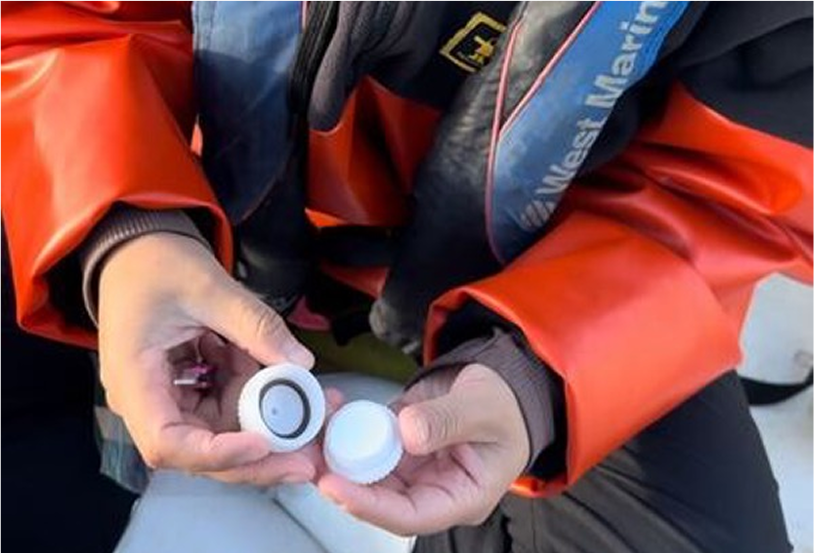
Project Oceanology’s dedicated education staff lead this monitoring effort, bringing scientific expertise and a commitment to protecting local waterways. Their work is carried out in partnership with Save the Sound through the Unified Water Study.
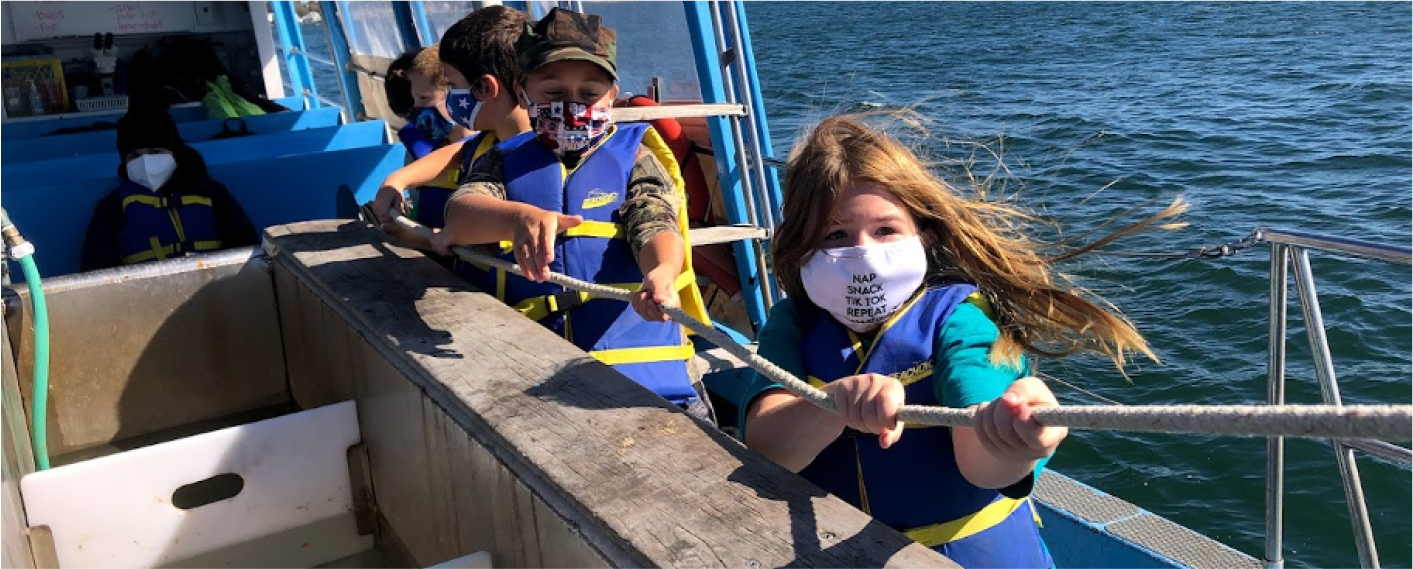
Empowering students to increase environmental stewardship and community resilience in the face of climate change.

Students gain hands-on experience on how to protect this vital ecosystem.
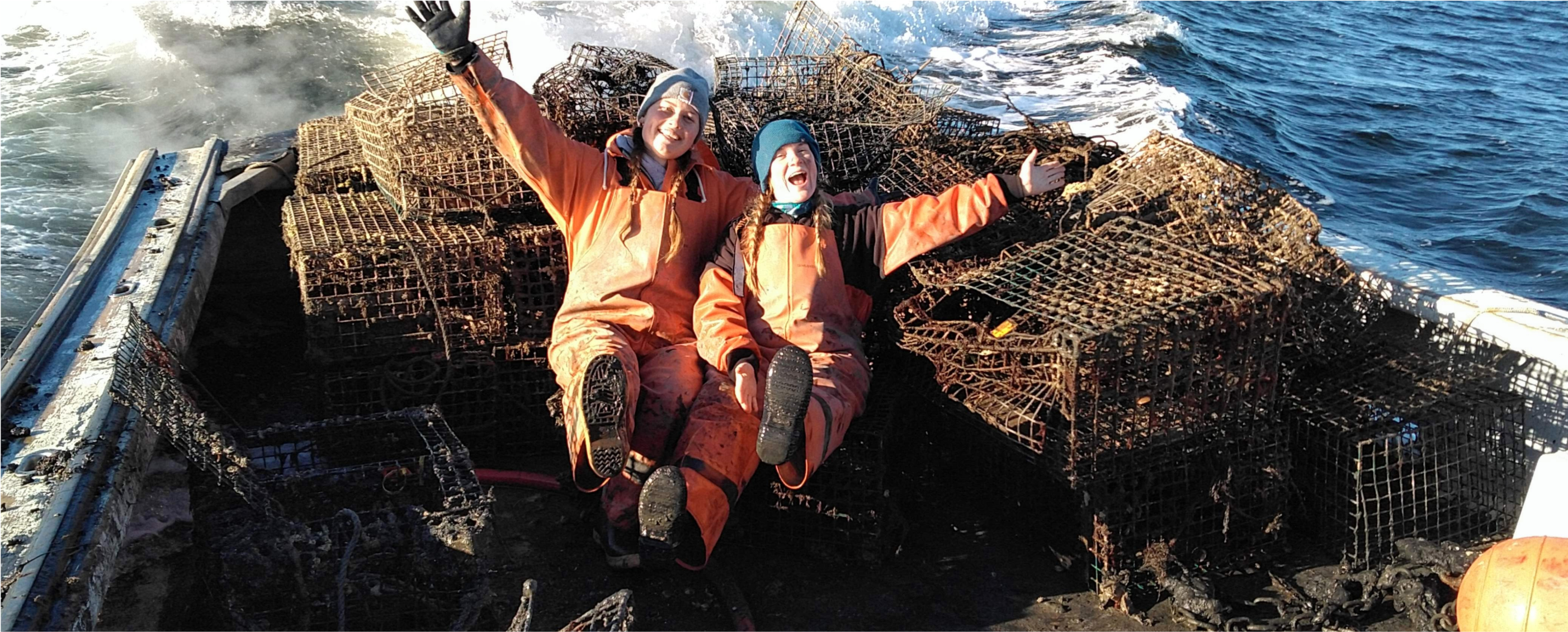
Partnering with the lobster industry to remove lost traps and protect Long Island Sound’s marine life.
Your support is vital in providing our life-changing programs that enrich the education of the next generation of environmental stewards and marine scientists. Our work wouldn’t be possible without donations from supporters like you.