2027 Homeschool Series: Ocean Investigator, ages 9–12
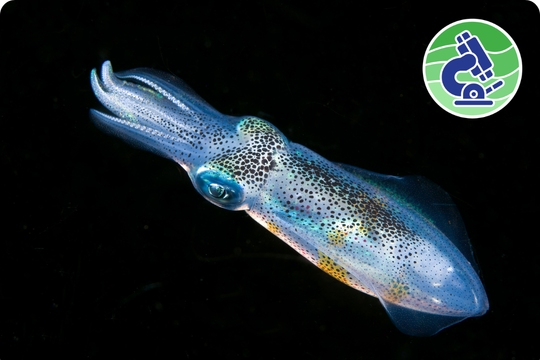
January Week 1: Animals of the Deep Sea Students will work in small groups to investigate deep-sea habitats, the animals that live there, and the adaptations they have to survive...
January Week 2: Ocean Investigator - Ocean Layers: Davy Jones Locker Students will investigate ocean layering and density principles by building a model to show top, middle, and bottom ocean...
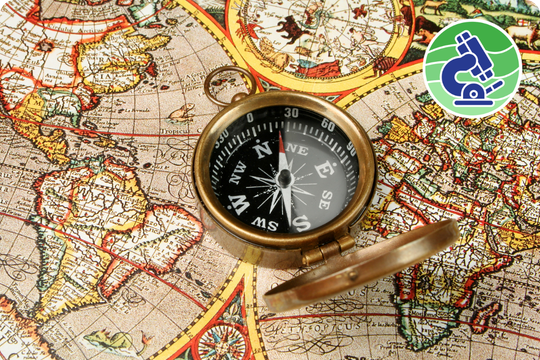
January Week 3: Ocean Exploration Students will work through a series of challenges to test their skills as ocean explorers. They will work in small teams to investigate nautical charts...
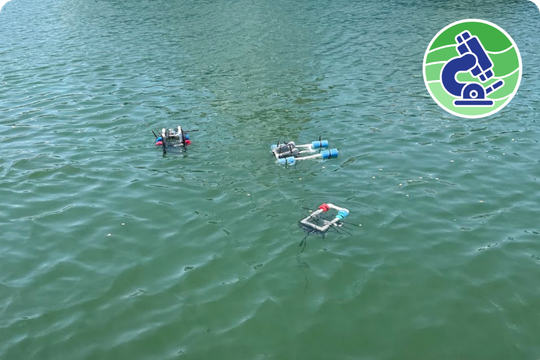
January Week 4: Remote Operated Vehicles (ROV) Students will work in pairs to design a SeaPerch ROV. They will build their ROV to meet a specific challenge, like removing garbage...
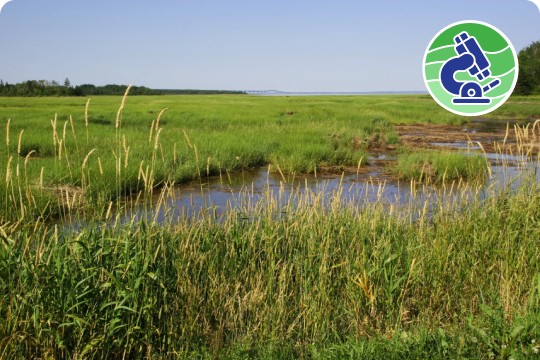
February Week 1: Estuaries Students will rotate in small groups between bins containing a variety of organisms from Long Island Sound. For each organism, students will make predictions about how...
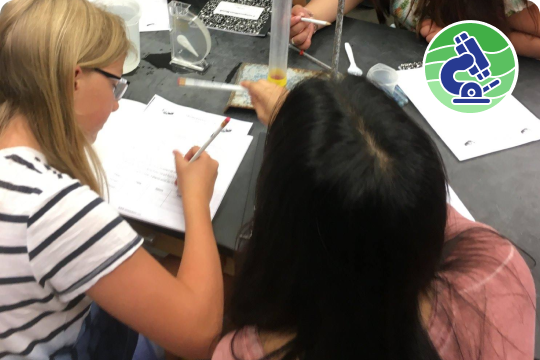
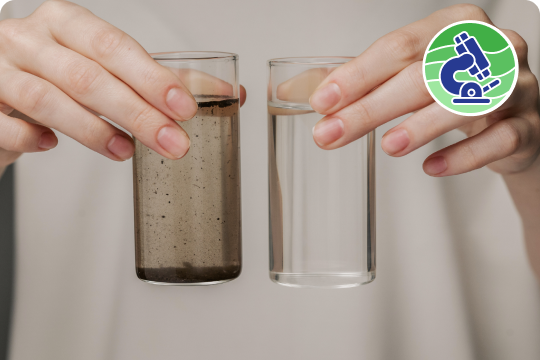
February Week 2: Mystery Water Students will use water chemistry to identify mystery water samples. Students will learn how to test pH, salinity, dissolved oxygen, and more. They will interpret...
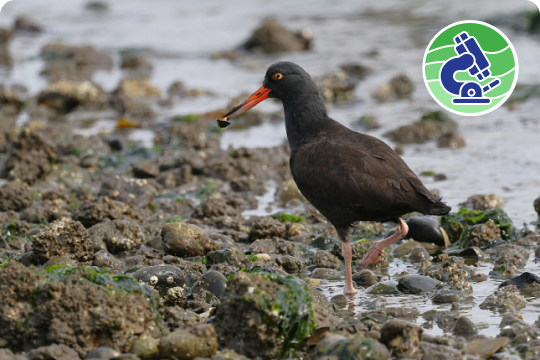
February Week 3: Shorebirds Students will survey the local bird species around Avery Point, studying the unique beaks, wings, and behaviors that help them survive in a coastal habitat. Then,...
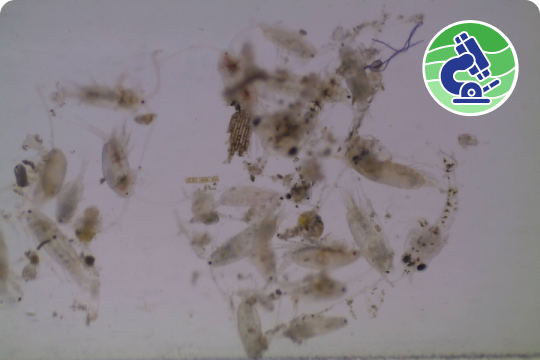
February Week 4: Plankton & Microplastics Students will observe live plankton specimens and learn how to identify microplastics. Students will also learn about sources of microplastics and ways to prevent...
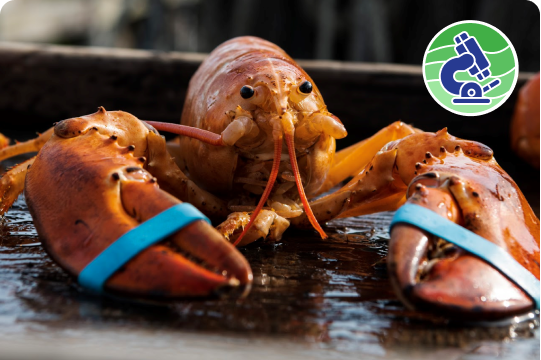
March Week 1: Lobsters and Climate Change Students will rotate through stations in which they examine live lobsters, practice skills related to the lobster fishery such as lobster measurement and...
March Week 2: Living Shorelines Students will explore different examples of living shorelines and what animals call them home, including filter feeders. Students will create their own models to better...
March Week 3: Bycatch Bycatch is a serious problem for many marine fisheries. In this engineering challenge focused on fisheries and conservation, participants learn about bycatch and then design fishing nets that will maximize catch of a target species while minimizing bycatch. We’ll test the nets in a fishing competition, then redesign them to improve...
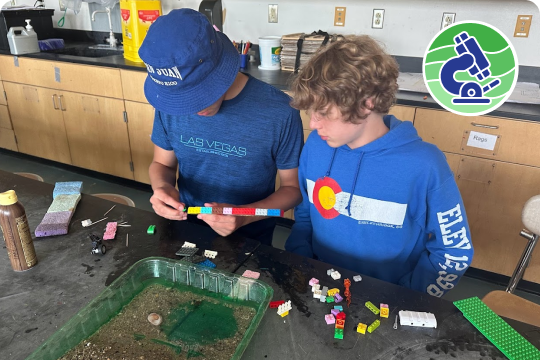
March Week 4: Erosion Engineers Students will learn what natural phenomena affect the Earth's surface and cause erosion of the land. They will test the effects of erosion on their model beach, observe changes, and then add materials to try to eliminate the erosion. Students will design multiple options to test which idea is the...